Welding in collision repair requires matching equipment and techniques to specific vehicle materials and manufacturer procedures. Modern vehicles use different metals, thicknesses and construction methods, so technicians must select appropriate resistance spot welders or wire-feed systems and follow approved joining methods for high-strength steel, aluminum, and mixed-material structures.
- Resistance spot welders are widely used for replacing panels originally joined with spot welds, applying pressure and electrical current between overlapping metal sheets.
- Equipment selection varies by clamping force, access, and control features, which affect suitability for specific repair locations and vehicle structures.
- Wire-feed welding systems offer different settings and capabilities, with some machines including programs for specific materials or applications.
- Manufacturer repair information determines which joining methods are permitted, including when welding must be avoided for alternative techniques.
- High-strength steel, aluminum, and mixed-material structures have different joining requirements, requiring technicians to match equipment capabilities to vehicle construction.
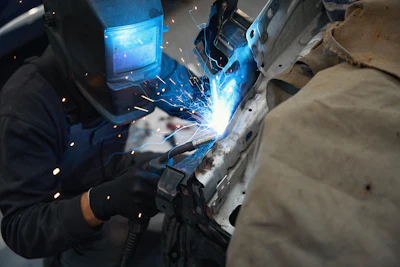
Welding remains an important part of collision repair, but joining vehicle materials is not as simple as selecting a machine and getting to work. Modern vehicles use different metals, thicknesses and construction methods, and the joining process must align with the manufacturer’s repair procedures. Equipment designed for collision repair reflects those demands, with options for different materials and applications.
Resistance spot welders are widely used when replacing panels that were originally joined with spot welds. These machines apply pressure and electrical current to create a weld between overlapping metal sheets. Equipment varies in clamping force, access and control features, all of which can affect its suitability for specific repair locations and vehicle structures.
Wire-feed welding equipment is also used in collision repair, with machines offering different settings and capabilities for working with approved materials. Wire-feed systems, power output and control functions vary across models. Some equipment includes programs designed for specific materials or applications, helping technicians establish the appropriate settings for the work.
Vehicle construction adds complexity to equipment selection. High-strength steel, aluminum and mixed-material structures have different joining requirements, and not every welding process is suitable for every application. Manufacturer repair information determines which methods are permitted, including when welding must be avoided in favour of another joining technique. Equipment capabilities must align with those requirements.
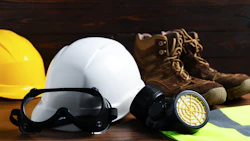
Welding accessories and supporting components also form part of the category. Torches, cables, electrodes and consumables vary by machine and process, while maintenance and replacement parts help keep equipment serviceable. Fume extraction systems and personal protective equipment are also part of the wider welding environment, particularly where fumes, sparks and heat are present.
From resistance spot welders to wire-feed systems and specialized equipment, welding technology covers a range of collision repair applications. Differences in process, material compatibility, control features and operating capabilities distinguish the equipment available for today’s repair work.