Selecting the right paint department equipment—including spray guns, mixing systems, booths, and curing equipment—requires considering how each tool aligns with your products, workflow, and maintenance capabilities rather than focusing solely on price or features.
- Spray gun performance, mixing accuracy, and booth maintenance directly impact refinishing quality and shop downtime
- Proper equipment maintenance and cleaning prevent costly problems and keep technicians productive
- Infrared curing can speed refinishing, but paint manufacturer instructions still determine safe application and curing times
- Evaluate equipment based on usage frequency, product compatibility, long-term maintenance costs, and shop space rather than upfront price alone
- Reliability and consistent performance often matter more than advanced features when avoiding unnecessary downtime in busy shops
In the paint department, the little things can make a big difference. A spray gun that isn’t performing properly, a mixing system that slows down preparation or a booth that needs attention can all get in the way of a job. And when the shop floor is busy, those setbacks can add up.
Paint hardware covers a lot of ground, from the equipment used to measure and mix materials to the spray guns, booths and curing systems that carry a repair through refinishing. Each plays a different role, and what works best depends on the products being used, the work coming through the door and the people doing it.
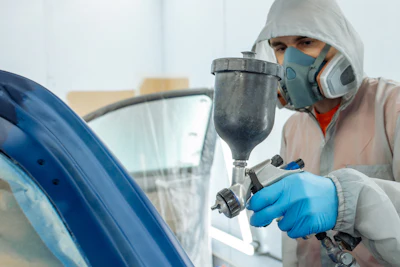
Take spray guns for example. Painters develop preferences for how a gun feels and performs, but there are practical considerations behind the choice, too. The gun needs to suit the product and application, deliver the required finish and be comfortable to use throughout the day. Cleaning and upkeep matter just as much. A gun that isn’t properly maintained can create problems when a painter needs it most.
The same goes for the rest of the department. Accurate mixing helps technicians prepare materials to the manufacturer’s specifications, while a properly maintained booth provides the airflow and filtration needed for refinishing. Filters, in particular, can be easy to overlook until they need attention. Keeping up with routine maintenance helps equipment do its job and gives technicians one less thing to worry about.
Shops are also looking at ways to make better use of their time. Depending on the products and repair process, infrared curing equipment can help speed up certain stages of refinishing. But there are limits to how much time can be saved. The paint manufacturer’s instructions still determine how materials should be applied and cured, regardless of how busy the shop is.
When investing in paint hardware, shops need to look beyond the price tag. How often will the equipment be used? Will it work with the products already on hand? What will maintenance and repairs cost over time? The answers will look different for every shop, depending on its workload, space and refinishing needs.
The goal is to find equipment that fits the work, not simply add another piece of technology to the department. Reliability, ease of use and consistent performance can matter just as much as the features on offer — particularly when a busy paint department can’t afford unnecessary downtime.