Abrasives are essential throughout collision repair, progressing from coarse material removal to fine finishing, with grit size, grain type, and backing material all affecting the quality of surface preparation and final paint results.
- Abrasive progression matters—marks left by one product affect work required at the next stage, particularly before refinishing
- Common abrasive grains include aluminum oxide, ceramic, and silicon carbide, each with different characteristics for specific applications
- Formats include sanding discs, sheets, rolls, belts, and specialty shapes designed for different materials, tools, and repair stages
- Backing materials, bonding methods, and attachment systems (hook-and-loop or pressure-sensitive) influence durability and performance
- Specialty abrasives address targeted tasks like edge blending, contour work, and surface conditioning in tight areas
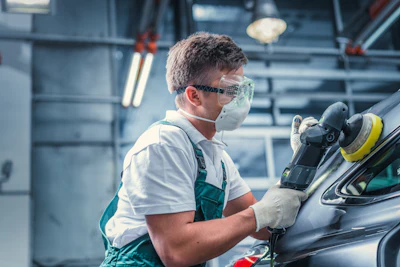
Abrasives are used throughout collision repair, from removing coatings and preparing damaged panels to refining surfaces before paint. Available in a wide range of formats and grades, they are designed for different materials and stages of repair, with product choice affecting how quickly material is removed and the quality of the resulting surface. Sanding discs, sheets and rolls remain staples in the shop, while abrasive belts and specialty shapes support more specific applications. Products are available in different grit sizes, allowing technicians to move from more aggressive material removal to finer surface preparation. The progression matters. The marks left by one abrasive can affect the work required at the next stage, particularly before refinishing. Abrasive technology also varies depending on the materials used in each product. Common abrasive grains include aluminum oxide, ceramic and silicon carbide, each with different characteristics. Backing materials, coatings and bonding methods influence durability, flexibility and performance during use. Some products are designed to resist loading, helping reduce the buildup of paint or other material on the surface. The tools used with abrasives also shape the options available. Products may be designed for orbital sanders, belt sanders, grinding equipment or hand sanding. Hook-and-loop and pressure-sensitive attachment systems offer different ways to secure abrasives, while interface pads and backing plates can affect how a disc contacts the surface. Dust extraction compatibility is another consideration, particularly for work that generates fine particles. Specialty abrasives address more targeted tasks, including sanding in tight areas, blending edges and working on contours. Non-woven abrasive products are also used for cleaning, scuffing and surface conditioning where conventional sanding discs may be less suitable. The variety of shapes and formats reflects the different surfaces and repair stages technicians encounter. From coarse grinding products to fine finishing abrasives, the category spans the materials and formats used to prepare surfaces for repair and refinishing. Differences in grit, abrasive grain, backing and attachment design give shops a broad range of options for the work carried out throughout the repair process.