Non-structural repair involves restoring dented doors, creased fenders, and damaged bumpers to their original condition using specialized tools, techniques, and materials suited to steel, aluminum, and plastic components. Success requires proper surface preparation, correct methodology for each material type, and attention to detail before refinishing.
- Non-structural repair addresses dents, creases, and bumper damage without affecting vehicle frame integrity
- Different materials (steel, aluminum, plastic) require distinct repair approaches and techniques
- Paintless dent repair is an option when paint is undamaged and the panel is suitable for the method
- Proper surface preparation before painting is critical, as imperfections become visible after refinishing
- Technicians must follow manufacturer repair procedures and select appropriate equipment for each specific job
Not every collision leaves a vehicle with major structural damage. Sometimes, it’s a dented door, a creased fender or a bumper that has seen better days. But while the damage might look minor, getting the panel back to its original condition takes a good eye, the right equipment and plenty of skill.
Non-structural repair is a hands-on part of collision repair, and no two jobs are quite alike. A technician might spend one repair working out a stubborn dent, then move on to reshaping a panel or preparing a surface for refinishing. The tools and techniques change with the job, and knowing which approach to take is just as important as knowing how to use the equipment.
The work has also become more involved as vehicle designs have changed. Steel panels, aluminum components and plastic bumpers all come with different considerations. A method that works well on one material may not be suitable for another, making understanding the vehicle and following manufacturer repair procedures essential.
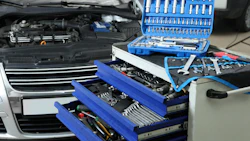
The equipment available to technicians has grown alongside those demands. From pulling systems and body hammers to sanding tools and paintless dent repair equipment, the right setup can make a difficult repair more manageable. Paintless dent repair, for example, can be an option for certain dents when the paint is undamaged and the panel is suitable. Other damage may call for a different approach, including conventional repair and refinishing or panel replacement.
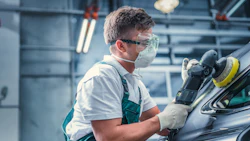
Of course, getting the panel into shape is only part of the job. The surface needs to be properly prepared before paint is applied, and small imperfections can become much more noticeable once the finish goes on. Taking the time to get those details right can make all the difference in the final result.
For shop owners, choosing non-structural repair equipment means looking at what technicians actually need on the shop floor. Durability, ease of use, versatility and suitability for the vehicles coming through the door all matter.
A dent might be what brings a customer into the shop, but the finished repair is what they see when they get their vehicle back. Non-structural repair is about more than making damage disappear. It’s about having the skill, tools and patience to get the details right.