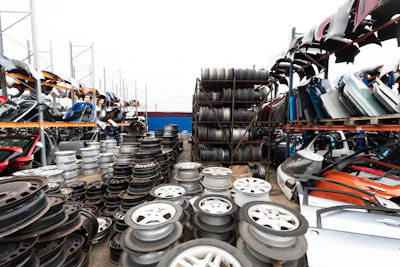
Recycling in collision repair involves reusing parts, recovering vehicles through auctions, safely handling materials, and managing specialized electric vehicle batteries, with transportation and monitoring systems connecting repair facilities to recycling operations throughout the process.
- Parts reuse and vehicle auctions reduce waste while providing repair shops alternative sourcing options for components
- Parts databases and transportation services connect available components between repair facilities, suppliers and recycling operations
- Temperature monitoring and organized material tracking help businesses oversee operations and maintain proper storage conditions
- Electric vehicle batteries require specialized handling, isolation equipment and dedicated storage due to high-voltage systems and damage risks
- Effective recycling combines parts reuse, vehicle recovery, safe material handling and EV-specific protocols to manage modern vehicle fleets sustainably
Recycling in collision repair extends beyond collecting scrap metal and separating waste. Parts reuse, vehicle recovery and the safe handling of materials all contribute to how vehicles and their components are managed throughout the repair process and at the end of their service life. As vehicles become more complex, recycling operations must also account for changing technologies, specialized components and the logistics involved in moving materials between businesses.
Reusing eligible parts can reduce waste while giving repairers another option when sourcing components for a job. Parts databases help connect available components with businesses looking for specific items, while vehicle auctions provide a route for damaged and end-of-life vehicles to enter the recovery process. Transportation services also play a role, moving parts and materials between suppliers, repair facilities and recycling operations.
Once materials and components are recovered, proper handling and oversight become important. Businesses need processes for keeping materials organized, monitoring conditions and managing components as they move through different stages of storage, transport and processing. Temperature monitoring can help identify changes in conditions in areas where alerts are needed, giving businesses another way to oversee their operations.
Electric vehicles bring additional considerations to vehicle recycling. Their high-voltage systems and large battery packs require specialized attention, particularly when a battery has been damaged or needs to be isolated from the rest of the vehicle. Safe handling, storage and transportation are important parts of managing these components, and dedicated isolation equipment can support the process. As more electric vehicles reach repair facilities and end-of-life operations, the ability to manage their batteries appropriately is becoming an increasingly important part of the industry’s approach to recovery.
Recycling and resource recovery involve a broad mix of services, systems and equipment. Parts reuse, vehicle auctions, transportation, monitoring and specialized electric vehicle handling all contribute to the movement and management of materials beyond the initial repair. Together, these areas reflect the range of considerations involved in recovering useful components, managing waste and adapting established recycling practices to an evolving vehicle fleet.