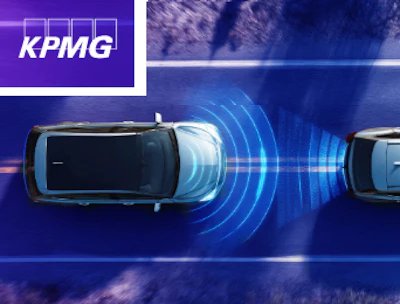
The ADAS calibration market is experiencing rapid growth and attracting significant institutional investment, with the North American market valued at $1.2 billion and projected to reach $3 billion by 2030, driven by increasing vehicle safety regulations and widespread adoption of advanced driver assistance systems.
- The North American ADAS calibration services market reached approximately US$1.2 billion last year with projected U.S. revenues of US$3.0 billion by 2030.
- The market is expected to grow at 12.8 percent annually between 2025 and 2033, driven by rising ADAS technology penetration in new vehicles.
- ADAS-equipped vehicle share is projected to grow from 11 percent in 2020 to 50 percent by 2025 and 75 percent by 2030.
- Calibration services generate recurring revenue streams with premium pricing potential, attracting private equity groups and major consolidation activity.
- Key challenges include significant capital investment requirements, limited trained technicians, and rapid technological advancements requiring continuous adaptation.
Toronto, Ontario -- As the ADAS calibration market grows, the subsector is drawing interest from institutional investors, a new report finds.
According to KPMG’s From Niche to Necessity: The Rise of ADAS Calibration in the U.S., widespread integration of ADAS technology in new vehicles -- coupled with the growing complexity of calibration processes --has set off a wave of mergers and acquisitions across the sector, as private equity groups, large operators and corporate buyers move to consolidate a fragmented field.
KPMG estimates the size of the North American calibration services market reached approximately US$1.2 billion last year and projects U.S. revenues of US$3.0 billion by 2030. The firm also expects the market will see 12.8 percent growth each year between 2025 to 2033.
The growth rests on rising ADAS penetration. The share of cars equipped with ADAS features has grown from approximately 11 percent of vehicles in 2020 to an expected 50 percent by 2025 and 75 percent by 2030.
The report identifies four categories of businesses active in calibration. “Service providers” include collision MSOs integrating in-house calibration, auto glass chains such as Safelite and Driven Brands and independent mobile calibration centres, typically billing “a few hundred dollars per session.”
“Safelite integrated ADAS recalibration with auto glass replacement services through its acquisition of TruRoad Holdings in 2019.”
KPMG also points to several forces driving investment. The firm notes that “calibrations generate consistent recurring income for service providers. This reliable cash flow appeals greatly to investors, with the added advantage that specialized services can command premium prices.”
Recurring demand is also ensured by regulation: “NHTSA has proposed requiring all new passenger cars to include Automatic Emergency Braking (AEB)… such rules accelerate ADAS adoption and ensure calibration demand remains strong.”
While the report paints an intriguingdoes not shy from the challenges facing interested investors.
“Significant capital investment is required for calibration equipment and facilities, representing a barrier to entry.” At the same time, “technicians trained in ADAS calibration are limited, necessitating continuous training and recruitment efforts.” KPMG warns that “rapid technological advancements require constant adaptation, posing a risk to sustaining long-term competitive advantage.”
Even with these hurdles, the conclusion is clear. “The ADAS calibration sector is set for significant growth, driven by technological advancements in vehicles and safety regulations mandating ADAS features… as M&A activity continues, we can expect a consolidation of players, shaping the competitive landscape and fostering innovation in calibration services.”