A new survey suggests the collision repair sector now views ADAS calibrations as routine — but many shops are struggling to keep up with technological advances.
The research comes from Revv, a U.S.-based software company that helps repair shops manage ADAS calibration documentation and workflow. The company surveyed about 300 collision and mechanical repair shops across North America.
ADAS stands for advanced driver-assistance systems — the sensors and safety features built into modern vehicles, including automatic emergency braking, lane-keeping assistance and adaptive cruise control. When a vehicle is repaired after a collision, those systems often need to be recalibrated to work correctly.
The survey found 61% of repairs now require some form of ADAS calibration. That makes calibrations a standard part of the repair process rather than a specialty service.
Shops surveyed repair an average of 108 vehicles per month. About 23% complete more than 50 calibrations per month. Respondents expect calibration volume to grow another 30% over the next two years as more ADAS-equipped vehicles age into the repairable car parc.
But readiness is lagging. Only 44% of shops said they are fully equipped to handle ADAS repairs. Equipment costs, technician training and constantly changing manufacturer repair procedures were cited as the main barriers.
Technicians average 41 hours of ADAS training per year, which many shops say is not enough to keep pace with new systems.
Calibrations are also proving profitable. Shops reported average monthly ADAS revenue of about US$21,509 with net margins of roughly 9%. That is pushing more shops to bring the work in-house. Currently 57% handle calibrations internally, and that figure is expected to rise to 64%.
Insurance approval remains a friction point. The survey found 77% of shops report pushback from insurers on calibration charges, typically over documentation or questions about whether a calibration was required.
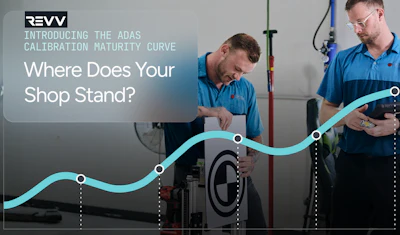
Revv developed what it calls an ADAS Calibration Maturity Curve to help shops assess where they stand. The framework runs from five stages — shops that rarely perform calibrations and rely on outside providers up to operations with fully integrated calibration workflows, dedicated equipment and standardized documentation.
The findings suggest shops that invest now in equipment, training and documentation processes will be better positioned as calibration volume continues to grow.
“ADAS is becoming part of almost every modern repair, yet shops still don’t have a clear roadmap that shows what they need to do to stay competitive and compliant. The Maturity Curve gives them a practical way to see where they stand and how they can best utilize their investments and skills," said Adi Bathla, CEO and co-founder of Revv.