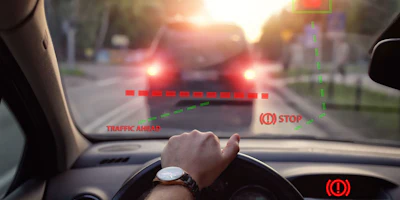

Toronto, Ontario -- One in five drivers intentionally disable advanced driver-assistance systems, according to a new study from Australia’s Monash University Accident Research Centre.
The report, based on survey data from more than 500 drivers, found that 20 percent of respondents had turned off safety features such as lane-keeping assist, adaptive cruise control and automatic emergency braking. Nearly half of those drivers said the systems made them feel anxious or distracted. Forty-one percent said they didn’t trust the technology to function correctly, while 30 percent found the features irritating.
“These systems are designed to support drivers, not replace them,” said Dr. David Logan, senior research fellow at Monash. “But if drivers aren’t using them—or worse, are switching them off—it undermines the potential safety benefits.”
Researchers noted that previous studies have shown ADAS features can reduce the risk of collisions, but stressed that those benefits depend on the systems being left on and used properly. Some respondents believed they could react faster than the vehicle’s technology, while others did not understand how the features were meant to function.
“Drivers’ understanding and acceptance of these systems is critical,” Logan said.
The study concluded that building trust and awareness around ADAS is necessary to maximize the safety gains these technologies are designed to provide.