Plasnomic, a global initiative focused on setting standards for plastic repair in collision shops, has launched what it describes as an industry-first testing and validation program aimed at OEM-aligned repair methods, starting with polypropylene weld.
The organization serves as a third-party standard-setting body for plastic repair, an area where procedures and materials often vary between shops, suppliers and technicians. For Canadian bodyshop operators, that lack of consistency can affect repair quality, cycle time and insurer or OEM acceptance.
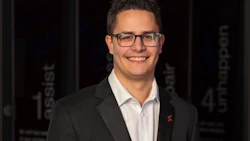
“Plastic repair has lacked a clear, evidence-based standard for too long,” said Mario Dimovski, head of Plasnomic’s Global Plastic Repair Alliance Council. “What we are building at Plasnomic is the industry's foundation, where every product, process, and repair method is validated through real data, not assumptions. This is a defining moment as we move toward OEM-aligned, safe, and scalable plastic repair globally.”
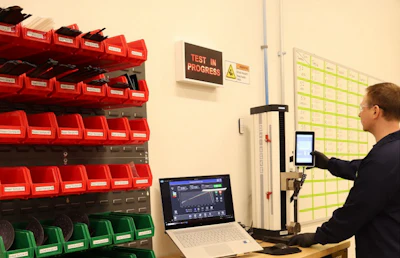
The program combines ISO-accredited lab testing with real-world shop validation and oversight from an industry council. The goal is to establish measurable benchmarks for how plastic repairs should perform, rather than relying on individual shop practices or supplier claims.
Initial testing focuses on polypropylene weld materials, commonly used in bumper repair. Materials from more than a dozen global suppliers are being evaluated against OEM plastics across 5 areas: weldability, sandability, blendability, structural strength and impact resistance.
Blendability is a key metric, referring to how well a repair material fuses into the original plastic without fillers. Strong performance in this area can support cleaner finishes, shorter repair times and more consistent results.
Testing is being carried out through an ISO-accredited U.S. laboratory, with results independently validated. The work is also being applied in shop settings through a technical ambassador network to confirm that lab performance translates into consistent real-world repair outcomes.
Plasnomic plans to expand testing beyond polypropylene weld to additional materials and equipment as part of a broader effort to standardize plastic repair processes, improve repair quality and support more sustainable outcomes across the collision sector.