MPI’S WINDSHIELD REPAIR FIRST POLICY CAUSING ISSUES FOR MANITOBA BODYSHOPS
MPI’s Repair First policy, which requires repair before replacement for certain auto glass damage, is drawing mixed reactions from Manitoba repairers.
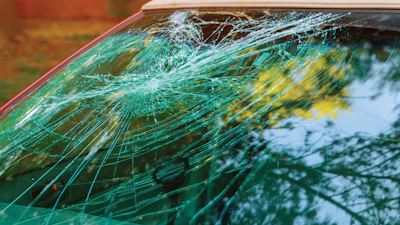
Rolled out by Manitoba Public Insurance in 2025, the policy requires windshield cracks measuring less than two inches to be repaired rather than replaced. All glass claims begin as repair-only, with shops required to document damage and obtain MPI approval before proceeding with replacement.
MPI says the policy is intended to reduce unnecessary replacements while maintaining safety and controlling costs. The Crown insurer has said windshield repairs that meet established criteria do not compromise structural integrity, even if cosmetic marks remain visible. Replacement is approved when damage exceeds repair limits or when a repair attempt fails.
Some glass repairers say the transition has been manageable. Jason Hofer, owner of Exact Auto Glass in Winnipeg, said the policy added documentation requirements but has not significantly affected business.
“It’s a bit more work upfront as far as documenting damages for preapproval, but it is so seamless that it hasn’t affected business significantly. It just took a few days to get familiar with the new process,” Hofer said.

Other shops say the approval process has introduced delays. Georgina Cortez, office administrator for Forman Collision & Auto Body Centre in Brandon, said her shop is spending more time waiting for insurer authorization. “As a result of the policy, we’re spending more time waiting for their approval,” Cortez said.
She said shops must photograph cracks using a circular measuring device intended to show whether damage exceeds the replacement threshold. “It isn’t a perfect system. Sometimes [the damage] it isn’t visible, so they ask us to send a new picture,” Cortez said.
Cortez said customer frustration has been limited so far, but staff now spend more time explaining delays. “We haven’t had any angry customers so far, but we do need to explain that they’ll need to wait a while,” she said.


“I don’t understand why they need us to take the pictures. If they want us to take extra steps, we should be paid,” Jonasson said.
He said pre-approval requirements can be especially challenging for customers who travel long distances. “When a customer drives 90 minutes to see us, we often just take the risk and move on the replacement rather than waiting for a response, but that’s a roll of the dice,” he said.
Jonasson also criticized the crack-measurement process, saying shops are often forced to improvise. “The evaluator tool is a three-inch circle we’re supposed to use to show the size of a crack. That doesn’t always work, so we’ll use a marker and circle the crack,” he said. “About 20 percent of the time, they’ll still demand more photos.”