GLOBAL COLLISION LEADERS ALIGN IN ISTANBUL

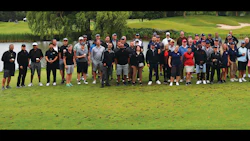
Held June 24–26 at the Swissôtel The Bosphorus, the summit brought together more than 350 leaders from over 30 countries. With the theme “Shaping the Future: Leadership Through Collaboration,” the agenda reflected a sector on the edge of transformation—caught between rising expectations, volatile markets and revolutionary technologies.
From the start, it was clear the collision repair conversation has shifted. This year’s focus wasn’t just on operational efficiency or technician shortages—it was on geopolitics, artificial intelligence, sustainability and repairability. Economics professor Michael Cox warned of “mutually assured economic destruction” in a prolonged U.S.-China tariff standoff, while Turkish strategist Erda Gercek cautioned that redirected exports could harm emerging markets. The collision industry, they argued, is no longer insulated from global trade shocks—it’s embedded in them.
That complexity echoed throughout the leadership panels. Canadian executive Ryan Bruno of CSN Collision joined peers from South Africa, Germany and the EMEA region to examine how modern leadership must evolve. “Ultimately it’s about helping people adapt to change,” Bruno noted. “Perfection is often the enemy of progress,” added BASF’s Roar Solberg, while Charles Canning emphasized preserving culture during disruption. The tone was candid, the stakes clear.
Among the most pressing conversations was the question of repairability and the OEM’s evolving role. Bayram Sucuoglu of Ford kicked off day two by urging collaboration between manufacturers, repairers and retailers. “Customer care must come first,” he said. A follow-up panel with Toyota’s Stefan Van Beneden, Betag Innovation’s Dave Flockhart and others praised the industry’s pace of innovation. “We should be proud of our contribution to sustainability,” Van Beneden said.
Sustainability itself was redefined in an ESG-focused group session. Raya Makawi called it “a growth opportunity,” not a cost. Fabien Boschetti of Axalta warned that “waiting for regulation will be too late,” while Chris Daglis urged attendees to “create your own future.” Where ESG was once a box to check, it’s now a competitive differentiator— and that shift was palpable.
Technology, meanwhile, dominated the middle of the conference. In back-to-back sessions, Sharad Bapat of Dscvry AI and Maher El Ghailani of Solera mapped out what a meaningful AI integration looks like. “Start slow,” said Bapat. “It’s already around you—use it to improve process.” El Ghailani’s advice was strategic: build a clear business case, audit your data, pilot modestly and measure relentlessly. “If we don’t use AI,” he warned, “we will disappear.”
The summit’s final session zeroed in on insurability in a world of EVs and automation. Eman Mojali of Bahrain National Insurance called AI “a universal opportunity,” while Sinem Gurun of HDI Sigorta emphasized customer transparency and traceability. Michael Lastuka of State Farm added: “We’re willing to go the extra mile to understand these vehicles and support our customers.”
Throughout the week, IBIS provided moments of cultural reflection and informal exchange—whether over traditional Turkish coffee, courtesy of RS Automotive Group, or during the gala Sundowner Reception with Axalta. These touchpoints underscored the human side of the business—reminding attendees that collaboration happens best not just in boardrooms, but between people, cultures and perspectives.
As attendees packed their bags and looked out over the Bosphorus one last time, the message was clear: collision repair isn’t just evolving—it’s global, interconnected and urgent. And whether you’re scanning a VIN in Vancouver or fixing a panel in Paris, your challenges—and opportunities—are increasingly shared.
The future of the industry, like the city that hosted its summit, sits between worlds. It’s what we do next that will define the road ahead.