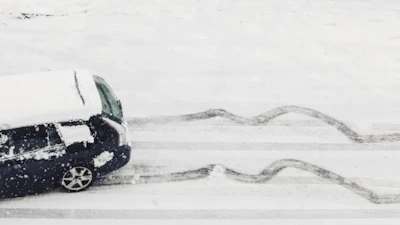
Winter driving conditions cause 37 percent of vehicle collisions in Canada even without blizzards, primarily due to black ice and slick roads that form quickly when temperatures drop. Drivers can reduce collision risk by slowing down, avoiding cruise control, maintaining proper following distance, using winter tires, and staying alert to changing road conditions.
- 37% of car accidents in Canada occur during winter months, often without blizzard conditions present
- Black ice forms rapidly on bridges, underpasses, rural roads, and shaded areas when rain or melting snow refreezes on cold pavement
- Key safety strategies: reduce speed, avoid cruise control, apply steady brake pressure, and increase following distance on slippery roads
- Winter tires and proper inflation significantly improve traction and are essential for preventing skidding and collisions
- Night driving amplifies risk due to reduced visibility and reflective road surfaces, requiring extra caution
Toronto, Ontario -- Winter driving conditions remain a major contributor to vehicle collisions in Canada, even when blizzard conditions are not present. According to a recent CAA study, 37 per cent of car accidents nationwide occur during the winter months, underscoring the risks posed by rain, ice and rapid temperature changes.
Rain, flash freezes and partial thaws can create slick road surfaces, particularly when temperatures drop quickly. Alexander Sala, dispatch supervisor with CAA North & East Ontario’s automotive services, notes that icy conditions can develop with little warning.
“When rain and ice are in the mix, road conditions aren’t just slippery, they’re deceptive. Black ice and sheet ice can both appear quickly with dropping temperatures and rain,” said Sala.
Black ice, which is often difficult to detect, can form when rainfall, fog or melting snow refreezes on cold pavement. It commonly develops on bridges, underpasses, rural roads and shaded areas, particularly during early morning hours before pavement temperatures rise. Ice can form even when air temperatures are above zero if the pavement surface remains cold.
Driving behaviour also plays a key role in reducing collision risk during winter conditions. “Speed limit signs are posted for ideal conditions, so slow down when roads are slippery or covered in snow,” said Sala.
He adds drivers should avoid using cruise control, as it can cause a loss of traction. Applying steady pressure when braking, accelerating gradually and allowing additional following distance can help prevent skidding and collisions.
Night driving presents additional risks due to reduced visibility and reflective road surfaces. “Use even more caution when driving in the dark, particularly on slick, rainy nights. Pay attention to how your car reacts to the road and any sliding you may experience,” said Sala.
Vehicle preparedness remains an important factor in winter road safety. “One of the biggest issues drivers face in icy, wet conditions is traction, which can be managed by switching to winter tires and keeping them properly inflated,” said Sala.
Drivers are also encouraged to monitor the CAA app or website for emergency service updates during periods of extreme weather.