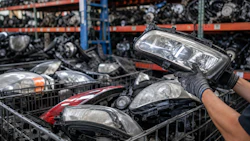
Indiana auto recyclers are challenging General Motors' new collision repair guidance that prohibits recycled OEM parts, arguing that genuine recycled components are safe, proven, and essential for affordable repairs while supporting sustainability.
- GM's revised 2026 position statements strictly prohibit recycled, salvage, and aftermarket parts on Chevrolet, Buick, GMC, and Cadillac vehicles.
- Auto recyclers argue that recycled OEM parts are genuine OEM parts with proven fit, form, and function used safely in repairs for generations.
- The ban covers critical systems including ADAS components, bumpers, windshields, and supplemental restraint systems.
- Recycled parts provide lower-cost repair options, reduce waste, conserve natural resources, and support a circular economy.
- Indiana recyclers are calling for consumer choice, fair competition, and recognition of recycled OEM parts as a legitimate collision repair solution.
Indiana auto recyclers are challenging new General Motors collision repair guidance that “strictly prohibits” recycled parts on Chevrolet, Buick, GMC and Cadillac vehicles.
The Automotive Recyclers of Indiana responded Aug. 7, arguing that the guidance fails to distinguish recycled original equipment parts from aftermarket components.
“Recycled OEM parts are Genuine OEM parts,” the association wrote. “They were originally manufactured by or for the automaker and have been safely and successfully used in vehicle repairs for generations.”
Several GM collision repair position statements have been strengthened during 2026. A June 23 position statement on genuine GM parts states that salvage, recycled and non-genuine aftermarket parts are “strictly prohibited.”
The wording goes beyond earlier guidance covering particular safety systems. Other revised GM position statements address supplemental restraint systems, bumpers, windshields and advanced driver assistance systems.
Under the current ADAS guidance, repairers are instructed to use only new genuine GM cameras, radar units, sensors, control modules, wiring, brackets and mounting hardware. Recycled, reconditioned, remanufactured and aftermarket ADAS components are “strictly prohibited.”
The Indiana recyclers objected to recycled OEM parts being treated alongside aftermarket components.
“They are not aftermarket parts—they are authentic OEM components with a long history of proven fit, form, and function,” the association wrote.
The association also argued that recycled parts provide a lower-cost repair option as vehicles remain on the road longer, while reducing waste and demand for newly manufactured materials.
Members called for consumer choice, fair competition, affordable repairs and recognition of recycled OEM parts as a legitimate part of collision repair.
The disagreement centres on whether a genuine OEM component should remain an acceptable repair part after removal from another vehicle. Under the revised GM guidance, repairers are directed toward new or GM-approved components in a growing number of repair situations. Indiana recyclers argue that a properly inspected recycled component remains an OEM part.
The Automotive Recyclers of Indiana posted the following statement in full on Aug. 7:
The Automotive Recycling Industry Stands United
As Indiana auto recyclers, we stand united in our stance because we have the expertise, experience, and proven processes to ensure quality parts are always used in repairs.
General Motors’ newly revised parts position statements raise serious concerns for consumers, repairers, insurers, and the professional automotive recycling industry.
Recycled OEM parts are Genuine OEM parts. They were originally manufactured by or for the automaker and have been safely and successfully used in vehicle repairs for generations. They are not aftermarket parts—they are authentic OEM components with a long history of proven fit, form, and function.
America’s vehicle fleet is older than ever. As vehicles remain on the road longer, consumers need affordable repair options more than ever. Recycled OEM parts help keep vehicles safe, repairable, and on the road without forcing unnecessary vehicle replacement.
Choosing recycled OEM parts also reduces waste, conserves natural resources, lowers energy consumption, and supports a more sustainable automotive industry.
We stand together in support of:
• Consumer choice
• Fair competition
• Affordable vehicle repairs
• Environmental sustainability
• Recognition of recycled OEM parts as a safe, proven, and essential part of the collision repair process
Together, we will continue to advocate for policies that protect consumers’ right to quality repair options while supporting a circular economy that benefits everyone.