Starting August 27, U.S. recyclers must sell 100% of recovered black mass from lithium-ion batteries and recycled tungsten to domestic buyers under a new Commerce Department rule designed to keep critical minerals in the country and reduce dependence on foreign processing.
- The temporary final rule takes effect August 27 and remains in place for one year, requiring 100% domestic sales of covered black mass and recycled tungsten.
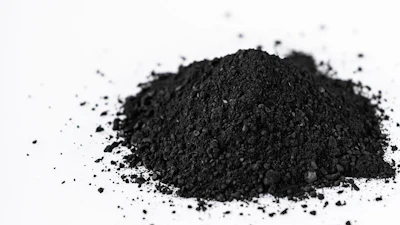
- Black mass is produced during lithium-ion battery processing and contains recoverable materials including lithium, nickel, cobalt, manganese, and graphite from EV batteries and consumer electronics.
- The U.S. currently lacks sufficient processing capacity to handle all domestically generated recyclable materials, creating potential supply chain challenges.
- Businesses can request exemptions if compliance would cause undue hardship or irreparable harm, though the rule does not create an absolute export ban.
- Industry groups warn the restriction could reduce recycling investment and disrupt established markets if domestic processors cannot absorb available materials.
U.S. recyclers will be required to sell certain recovered lithium-ion battery materials and tungsten scrap to domestic buyers under a new rule aimed at keeping critical minerals in the country.
The temporary final rule from the U.S. Department of Commerce’s Bureau of Industry and Security takes effect Aug. 27 and will remain in place for one year.
It requires 100% of covered black mass and recycled tungsten material to be sold domestically. Black mass is produced during the processing of lithium-ion batteries and contains recoverable materials such as lithium, nickel, cobalt, manganese and graphite. The material can come from electric vehicle batteries as well as batteries used in electronics and energy storage systems.
The rule forms part of a broader U.S. effort to increase domestic supplies of critical minerals and reduce reliance on foreign processing. Federal officials have identified limited U.S. processing capacity and dependence on foreign suppliers as national security risks.
The requirement does not create an absolute export ban. Businesses can seek exemptions where complying would cause undue hardship or irreparable harm.
The measure could affect companies involved in recovering and processing end-of-life EV batteries because black mass has commonly been sold into international markets for further refining.
U.S. processing capacity remains one potential obstacle. The country does not currently have enough capacity to process all of the recyclable material generated domestically, according to Reuters. Several battery recycling businesses have also encountered financial difficulties while the domestic processing industry has been developing.
Robin Wiener, president of the Washington-based Recycled Materials Association, said the domestic sales requirement could create problems when U.S. processors cannot accept the available material.
“Exports often serve as a relief valve for those materials that either cannot be or are not consumed domestically by manufacturers, and access to international markets is essential to ensure these valuable materials continue to move through the recycling supply chain,” Wiener said in an Aug. 5 statement.
Wiener said restricting international sales before sufficient domestic processing capacity is available could ultimately reduce recycling.
“Policies that restrict exports threaten to disrupt established markets and reduce investment in U.S. recycling infrastructure, ultimately undermining supply chain resilience — which will reduce recycling of these materials, not increase it,” she said.
ReMA represents more than 1,700 recycling businesses in more than 40 countries. Wiener said association representatives plan to press Commerce Department officials for changes that would preserve access to international markets when recycled materials cannot be processed domestically.