
Collision repair shops must prioritize certification, workforce training, and AI adoption to remain competitive as electric vehicles and advanced technology reshape the industry. High-performing shops that invest in staff development and embrace new tools earn 45-60 percent gross profit, while those lagging behind see only 20-32 percent.
- The AI advantage: Technicians who use AI will replace those who don't, but technology alone won't close the performance gap.
- Profitability gap: Top-performing collision centers earn 45-60% gross profit versus 20-32% for underperforming shops, largely due to certification and training investments.
- EV technology demands: Lithium-ion safety procedures, OEM repair standards, and battery handling regulations have made certification a business necessity, not optional.
- Efficiency metrics: High-performing facilities average 2 hours of touch time per repair and 14-day cycle times, significantly faster than competitors.
- The skills gap: Specialized training for EVs, ADAS calibration, and advanced materials remains in high demand while technician shortages slow industry adoption.
Toronto, Ontario -- The collision repair industry is entering a period of rapid transformation as electric vehicles, predictive driver-assistance systems and artificial intelligence reshape every stage of the repair process. To stay competitive, experts say collision centres must prioritize certification, workforce training and a cultural commitment to continuous learning.
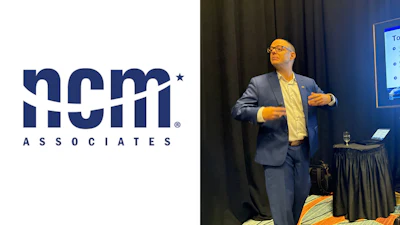
Speaking at the ACE Conference, Brandon Roy of NCM Associates said the industry’s ability to future-proof itself will depend on how quickly shops embrace change. NCM Associates is a North American consulting firm that helps collision repairers improve profitability, performance and process efficiency.
AI estimating platforms, calibration guidance systems and predictive workflow software are increasingly common in collision facilities, helping reduce touch time and improve repair accuracy.
“AI won’t replace technicians — but technicians who use AI will replace those who don’t,” said Roy.
Technology alone won’t close the gap. According to NCM’s data, shops that follow certification standards and invest in staff training tend to perform much better than those that don’t. High-performing collision centres earn between 45 and 60 percent gross profit across labour, parts and materials, while underperforming shops often see only 20 to 32 percent. The difference shows up in efficiency, as well — top-performing facilities average about two hours of touch time per repair and keep cycle times close to 14 days, while others take much longer to complete the same work.
The skills gap remains one of the industry’s greatest challenges. Specialized training for EVs, ADAS calibration and advanced materials is in high demand, while technician shortages continue to slow adoption.
EV technology is driving the most urgent changes. Lithium-ion safety procedures, OEM repair standards and battery handling regulations have made certification a business necessity rather than a marketing tool. Rising repair costs and longer cycle times are also shifting insurer and OEM relationships toward EV-ready, certified facilities.
“Every certification you hold builds trust,” said Roy. “But only if you live up to it on the floor every day.”
As technology continues to evolve, collision repairers who are adapting, investing in training and certification will lead the way.