More than four in 10 British Columbia students who took postsecondary courses while attending high school were registered apprentices a year after Grade 12, according to research published by Statistics Canada on Nov. 16.
The study found an apprenticeship enrolment rate of 44.6% among these students, compared with 3% among students who had not taken the courses.
The findings appear in an article titled Who Benefits from Dual Credit Programs? written by Statistics Canada researcher Meghan Dale.
Dual credit programs allow students to earn credits toward high school graduation and a postsecondary qualification for the same coursework. They include trades training as well as other college and university courses.
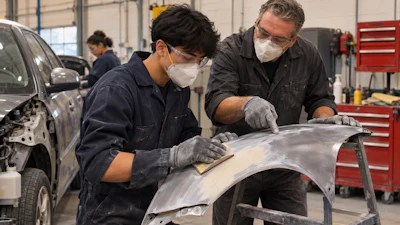
Collision repair is among the options available in B.C. According to Vancouver Community College’s program information, high school students can take its automotive collision and refinishing foundation program through the Youth Train in Trades pathway.
Dale’s study covers several fields and does not provide separate results for collision repair students.
It also found a substantial difference in postsecondary qualifications among students with lower grades. Among those whose Grade 12 averages were below 60%, 37.6% of dual credit participants earned a college or university certificate, diploma or degree within six years, compared with 18.4% of non-participants.
Dale linked B.C. school records with postsecondary and apprenticeship records. The analysis of students’ education after high school followed those who entered Grade 12 between 2008–09 and 2016–17.
The study does not establish that dual credit courses caused the differences. Dale noted that limited information about students’ backgrounds prevented comparisons between otherwise similar groups.
The research also did not determine whether participants subsequently found work in the trades they studied. While dual credit students were more likely to register as apprentices, “whether they complete a certification is unknown,” Dale wrote.