Two industry associations are raising awareness about the growing problem of fraudulent vehicle exports.
Fraudulently financed vehicles being directed toward export through major Canadian ports have increased 72% year over year, according to figures released by the Canadian Finance & Leasing Association.
CFLA and the Canadian Automobile Dealers Association representatives presented the findings Aug. 25 during a Parliament Hill briefing on fraudulent financing and illegal vehicle exports.
The fraud can begin with stolen or synthetic identities used to obtain vehicle financing through legitimate dealerships and lenders. A vehicle can then reach an export terminal before the lender discovers the false identity or missed payments.
“Organized crime has adapted, and Canada’s enforcement systems need to adapt with it,” said Michael Rothe, CFLA president and CEO.
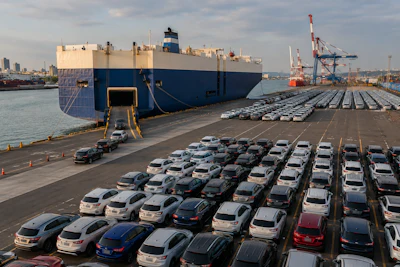
Between 200,000 and 250,000 declared motor vehicles leave Canadian marine ports each year, according to figures released with the briefing. Export declarations require a vehicle identification number but do not require disclosure of an outstanding lien.
Canada also has no national vehicle-lien database. Provincial systems hold the records, limiting the ability of Canada Border Services Agency officers to immediately determine whether an apparently legitimate vehicle presented for export remains subject to financing.
CFLA and CADA representatives called for mandatory lien declarations, proof of lien discharge, CBSA access to provincial lien information and automated lien checks during export screening.
CBSA already has authority to examine, detain and seize goods before export. The proposed changes are aimed instead at giving officers the financing information needed to identify fraudulently obtained vehicles before they leave Canada.
“This isn’t just a problem for automotive dealers and finance companies,” said a CADA spokesperson, who added continued losses could ultimately make vehicle financing more expensive and less accessible to legitimate borrowers.