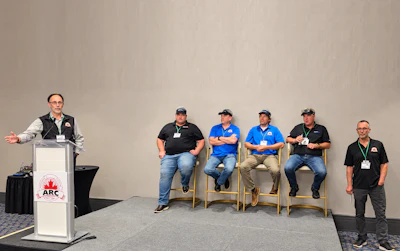
Auto recyclers from across Western Canada gathered at a Calgary roundtable to discuss critical business challenges, including access to affordable salvage inventory, staffing shortages, competition from unregulated buyers, tariff impacts, and preparation for electric vehicles. The session helped industry associations identify priorities for advocacy and future initiatives.
- Salvage Access Crisis: Recyclers struggle to compete for inventory against unregulated buyers and exporters who lack compliance costs and environmental obligations.
- Staffing Shortage: Finding skilled workers remains urgent, with industry leaders proposing partnerships with schools to build awareness of auto recycling careers.
- EV Readiness Gap: Battery handling, training needs, and limited interchange information for electric vehicle components require continued industry attention and preparation.
- Market Pressures: Tariffs, cross-border issues, shop consolidation, and changing sales channels are affecting margins and business viability for professional recyclers.
- Regulatory Concerns: Professional facilities face CAREC audits and compliance costs that unregulated competitors avoid, creating unfair competition in the parts market.
A full room, engaged operators and a long list of issues raised by participants made the recycler-only roundtable at the Western Canada Auto Recycling Show a valuable opportunity to compare notes.
Recyclers from across Western Canada shared concerns, experiences and ideas about the pressures affecting their businesses. Topics ranged from staffing and salvage supply to insurance, tariffs, electric vehicles and gaps in parts interchange information.
Not every item received detailed discussion, but identifying those concerns was important. The session provided a clear picture of what is on operators’ minds and where further conversation and association attention may be needed.
Access to good salvage at a reasonable cost was a significant concern. Participants questioned auctions selling to a broad range of buyers, including those purchasing vehicles for export or selling parts without the overhead, regulatory oversight and environmental obligations carried by professional recycling facilities.
For association members, those obligations also include CAREC audits and follow-up requirements. Participants expressed frustration about competing for the same vehicles against buyers who may operate without comparable facilities, compliance costs or accountability. The concern extended beyond the auction purchase. Some of those buyers then compete directly with professional recyclers in the parts market.
Auction access, salvage exports and acquisition costs were closely connected topics. Recyclers investing in their facilities, employees and environmental practices need access to inventory that allows them to operate viable businesses.
Variations in vehicle branding, including at the auction level, were also identified as a concern. Inconsistency can complicate purchasing decisions and make finding suitable salvage at a reasonable price more difficult. The issue formed part of the broader conversation about oversight and how vehicles enter and move through the salvage market.
Staffing remained high on the list. Alongside the immediate challenge of finding people, participants raised the idea of working with schools to introduce young people to careers in auto recycling. Building awareness of the industry and its employment opportunities is an important part of developing a future workforce.
Changing sales channels, pressure on margins, shop consolidation and shipping were among the other business issues raised. Each affects how recyclers reach customers, deliver products and retain value from the vehicles they purchase.
Tariffs and cross-border issues added another dimension. Participants identified these as important considerations for businesses sourcing inventory or selling across borders, alongside the effects of salvage exports on domestic availability.
Electric vehicles, EV batteries and related training needs were also raised. Battery handling and the skills needed to work with these vehicles remain important considerations as recyclers prepare their businesses and employees for a changing vehicle mix. Although the subject was not explored in depth, participants clearly identified it as an area requiring continued attention.
Gaps in interchange information were another concern, particularly for certain vehicle models and advanced driver assistance system components. Limited information about which parts fit which vehicles can make it harder to identify, inventory and confidently market those components.
Participants also flagged limited industry uptake of recycled ADAS components and the opportunity that remains in this area. Better information and greater understanding will be important subjects for further work.
Manufacturers entering the auto recycling sector were also among the developments operators are watching. Together, these topics showed that recyclers are thinking about immediate operating pressures and changes that could shape their businesses in the years ahead.
Business insurance received practical attention toward the end of the session, when Ryan Burns of Cowan Insurance joined the group to explain underwriting pressures and the support a broker can provide.
One useful reminder was that the broker is there to advocate for the business. Burns described Cowan’s approach to inspecting a yard before an insurer’s inspection, helping identify concerns and prepare the operator for that process. Participants had an opportunity to better understand what underwriters look for and ask questions directly.
The strength of the roundtable was the willingness to contribute. Operators brought forward their priorities, shared practical experience and listened to colleagues facing similar challenges.
For Automotive Recyclers of Canada and the provincial associations, that input helps keep advocacy and industry initiatives connected to the realities of operating a recycling business. Some issues require further investigation, some call for education, and others need ongoing conversations with regulators, auctions and industry partners.
The Calgary session gave those concerns a voice and reinforced the value of bringing professional recyclers together to determine the work ahead.