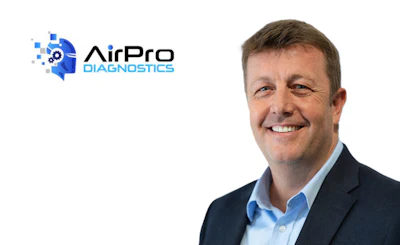
AirPro + Revv CEO Driaan du Toit explains how the merger of AirPro Diagnostics and Revv software creates a unified ADAS repair platform that helps collision shops manage complex vehicle calibrations, reduce downtime, and improve reimbursement while maintaining flexibility with existing tools and workflows.
- Merger Details: Rotunda Capital Partners acquired Revv and combined it with AirPro in a nine-figure deal announced August 24, 2026, serving over 6,100 repair facilities.
- ADAS Complexity: Modern vehicles have more than 100 sensors and dozens of computer modules, requiring specialized scans, diagnostics, and calibrations even for seemingly simple repairs.
- Platform Benefits: Revv customers have seen revenue increases up to 75% within nine months and reduced calibration cycle times by 30%, plus approximately $10,000 in annual administrative savings.
- Canadian Expansion: AirPro + Revv is expanding in Canada with support from the United ADAS Collective, which has grown to over 1,700 members in under a year.
- Future Outlook: As automatic emergency braking becomes standard on new vehicles in 2029, ADAS calibration is expected to become a regular part of vehicle repair and a growing business opportunity.
Driaan du Toit, chief executive officer of AirPro + Revv, is leading the integration of AirPro Diagnostics and Revv after a private equity acquisition brought diagnostic and calibration services together with software used by more than 6,100 repair facilities.
The Bethesda-based Rotunda Capital Partners acquired New York-based Revv and combined it with AirPro in a transaction announced Aug. 24, 2026. A representative described the acquisition to Collision Repair as a nine-figure deal. The exact purchase price and other financial terms were not disclosed.
Du Toit, who became AirPro’s chief executive officer in January, remains CEO of the combined business. In this executive vision interview, du Toit speaks with Collision Repair’s Gideon Scanlon about the acquisition, his priorities for the combined operation and his plans for Canadian repairers.
Collision Repair: Could you tell us a bit about your work at AirPro and your priorities as CEO?
Driaan du Toit: I stepped into the CEO role at AirPro Diagnostics in January, and just eight months later we went through a merger with Revv. While I’m a newer leader within the AirPro + Revv team, I’m not new to the challenges of bringing technology and people together in fragmented industries.
Having spent much of my early career working across insurance and repair, I’ve seen how disconnected systems can slow progress and create unnecessary complexity. Bringing AirPro and Revv together gives us an opportunity to address that challenge in ADAS by pairing Revv’s software and data intelligence with AirPro’s operational scale and diagnostic expertise to give the industry a single, complete ADAS platform.
My focus now is on making that vision a reality for our customers. We want to bring our capabilities together in a way that makes the repair process more connected and seamless, while giving shops the flexibility to work with the tools, systems and workflows they already use.
We’ll continue building on the strengths of both businesses to develop products and services that help shops manage increasingly complex ADAS repairs, from identifying what a vehicle needs to completing and documenting the work, without forcing them to change how they run their business.
Collision Repair: What do collision repairers ask you for most often?
Driaan du Toit: Advanced driver assistance systems (ADAS) have made vehicles safer, but they’ve also made repairs a lot more complicated. Today’s vehicles can have more than 100 sensors and dozens of computer modules, so even a repair that seems relatively simple can require additional scans, diagnostics and calibrations to make sure everything is working correctly.
For collision repairers, one of the biggest challenges is keeping up with evolving ADAS requirements without slowing down their business. There’s a shortage of skilled technicians, and new information, procedures and OEM requirements are constantly coming out, making it difficult for shops to stay up to date. Many also lack the specialized expertise needed to handle every type of ADAS repair, while spending more time documenting work and working with insurers to ensure they’re reimbursed. They need reliable support and a simpler way to manage the process from start to finish.
That’s what we’re working to deliver with AirPro + Revv. By helping shops identify what a vehicle needs based on the latest OEM requirements, complete the necessary work and document it properly, we can help bridge the knowledge gap, take some of the burden off their teams and keep repairs moving.
Collision Repair: Why did AirPro merge with Revv and why did you pursue bringing the two businesses together?
Driaan du Toit: AirPro and Revv bring distinct but complementary strengths to ADAS repair. Revv’s software identifies the calibrations a vehicle needs based on OEM requirements and helps shops document the work for insurer reimbursement. AirPro provides the diagnostic and calibration technology to carry out that work, with coverage across 98% of vehicle brands on the road.
We brought the businesses together to make the repair process more connected for shops. Before the merger, a shop using Revv might still need a separate provider to handle the scans and calibrations. Now, we can support more of the process, from identifying what a vehicle needs to completing the work and documenting the results, while allowing shops to keep using the tools they already rely on.
We’re also combining Revv’s knowledge of OEM requirements with AirPro’s service data from millions of repair events. Together, these give us a more complete picture of how ADAS repairs are performed and where the process can be improved. Revv customers have already seen revenue increases of up to 75% within nine months, along with faster calibration cycles. We see an opportunity to build on those results and help shops work more efficiently, complete repairs correctly and get paid for the work they do.
Collision Repair: What will the merger change for customers?
Driaan du Toit: For our customers, the goal is to make the merger an improvement to the way they work, not a disruption. We want to make ADAS repairs more connected without adding complexity or changing what’s already working.
That starts with two commitments. We’ll remain open and tool-agnostic, meaning shops can continue using the systems, tools and providers they already trust without being required to switch products. At the same time, we’re connecting more of the repair process to help shops work more seamlessly.
We’re already making progress through products like our Side-by-Side Chrome Extension, which brings Revv’s software into the same view as AirPro’s ORION diagnostic platform, used by technicians to support vehicle scans and calibrations. This gives technicians easier access to scan results, calibration reports and work orders in one place, rather than having to move between separate systems. They can also request real-time technician support directly through Revv, helping keep the process connected from identifying what a vehicle needs to completing the work.
The idea is to give customers and shops more ways to work efficiently while preserving the flexibility they rely on today. They can take advantage of these connected capabilities as they make sense for their business, without having to change everything else along the way.
Collision Repair: How does AirPro fit into a bodyshop’s repair process?
Driaan du Toit: AirPro + Revv fits into a bodyshop’s existing repair process, helping teams manage calibration from identifying what a vehicle needs to completing the work and documenting it for reimbursement. Revv helps shops identify required calibrations based on OEM specifications, while AirPro brings the technology and expertise to handle scans, diagnostics and calibrations remotely or on-site. This gives shops a more connected process for managing calibration alongside the rest of the repair, with technicians responding within 10 minutes to help keep work moving.
Once the work is complete, the platform helps document what was required, what was done and when, giving shops the information they need for insurance paperwork and invoicing. By connecting these steps within the broader repair workflow, AirPro + Revv helps shops reduce delays, spend less time on administrative tasks and get reimbursed for the work they do. Revv has helped shops reduce calibration cycle times by 30% and save around $10,000 annually in administrative costs, while AirPro’s platform supports more than 1 million vehicles a year.
Collision Repair: What are your plans for the Canadian market?
Driaan du Toit: Having spent years working in insurance claims technology across continents, from South Africa, where I’m from, to the UK, Germany and Italy, I’ve seen how similar challenges can be from one market to the next. AirPro + Revv is already working with repairers in Canada, but there’s still a need to make ADAS expertise and the right tools more accessible so shops more widely can complete calibrations accurately and safely. We see room to build on the work already underway and support more Canadian repairers as these needs grow.
Education is a big part of that, too. The United ADAS Collective has grown to more than 1,700 members in under a year, giving repairers and industry experts a place to share knowledge and best practices. We want to keep building on that momentum and help more shops across national lines including Canada navigate the growing demands of ADAS.
Collision Repair: What would you like AirPro to achieve over the next three years?
Driaan du Toit: Our biggest priority right now is continuing to build on what AirPro and Revv have brought together, strengthening our combined offerings as the industry evolves. It’s hard to predict exactly what ADAS repair will look like even a few years from now, given how quickly vehicle technology is moving, but I do know the need for specialized tools and expertise will only continue to grow.
As more vehicles come equipped with ADAS, I expect calibration to become a much more regular part of vehicle repair, especially as requirements like automatic emergency braking become standard on new vehicles in 2029. I also think we’ll see dedicated calibration shops emerge to meet that demand, and shops that don’t currently handle ADAS work will need to figure out how to adapt.
In many ways, ADAS is where claims were five to seven years ago. There’s still a lot of manual work and disconnected systems, and I see a real opportunity to make the process more automated and connected. That’s what we’re working toward at AirPro + Revv, bringing the software, diagnostic technology and expertise together to make ADAS repairs easier to manage and help shops adapt as the industry evolves.