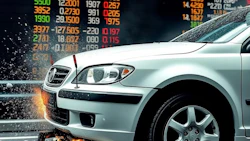

Even the best of intentions are nothing without effort
THE PRACTICAL RESPONSE IS CLEAR. MEASURE YOUR CYCLE TIME HONESTLY AND IDENTIFY WHERE VEHICLES STALL. TRACK TOUCH TIME AND ADDRESS THE GAPS BETWEEN OPERATIONS. REDUCE DELAYS CAUSED BY PARTS HANDLING, APPROVALS AND POOR REPAIR PLANNING. INVEST IN TRAINING BEFORE THE REPAIR DEMANDS FORCE YOUR HAND. BUILD SYSTEMS THAT PRODUCE REPEATABLE OUTCOMES RATHER THAN RELYING ON INDIVIDUAL HEROICS.
In the collision industry, progress is not driven by intention. It is driven by discipline. Today’s operators are working in an environment defined by rising complexity and rising consequence. The average insurancepaid repair in Canada now exceeds $5,500.
Average cycle time sits at 13.3 days, while the top 10 percent of repairers consistently return vehicles to customers in fewer than six days. Touch time tells the same story. The average shop produces about 2.5 hours of productive work per day. The best exceed 4.5. Those numbers matter because they reveal where the real work is being done. The gap between average and exceptional performance is not effort. It is process.
This issue’s cover story, featuring Tony Morgese and ACX Montreal, reflects that reality. It is not about scale or shortcuts. It is about consistency. Following manufacturer procedures. Investing in the right equipment.
Training technicians properly. Documenting work thoroughly. Standing by decisions because they are correct, not because they are convenient. Across the collision industry, shops are facing longer work-in-progress loads, higher repair severity and vehicles that demand precision at every step. Advanced driver assistance systems, mixed-material structures and calibration requirements have eliminated guesswork from modern repair. The work either meets the standard or it does not.
The practical response is clear. Measure your cycle time honestly and identify where vehicles stall. Track touch time and address the gaps between operations. Reduce delays caused by parts handling, approvals and poor repair planning. Invest in training before the repair demands force your hand. Build systems that produce repeatable outcomes rather than relying on individual heroics.
The shops pulling ahead are not doing more work. They are doing the work in the right order, with the right documentation and the right expectations. They are prepared for scrutiny because their processes can stand up to it. This edition focuses on those realities. It looks at performance, workflow and leadership through the lens of what is actually happening on shop floors today. Not theory. Not promises. Practice.
The collision industry has never been short on talent or effort. What will define its future is the willingness to apply standards consistently and defend them with confidence. That is the work that matters.