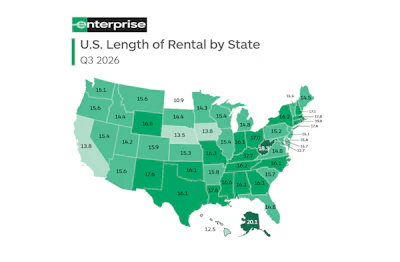
U.S. bodyshops reported significant backlog reductions in Q3 2026, with nearly half scheduling work one week or less and average backlogs falling to 1.6 weeks, while total-loss frequency climbed to 21% and repairers increasingly opted to fix rather than replace parts.
- Nearly 50% of U.S. bodyshops reported scheduling backlogs of one week or less in Q3 2026
- Average backlog fell to 1.6 weeks, with work in progress averaging 49% of typical monthly volume
- Total-loss frequency rose to 21% from 20.3%, as more borderline vehicles were written off
- Parts repair proportion increased to 17.8% from 16.4%, reducing turnaround times by 0.8 day for jobs under $5,000
- Average first-party deductibles decreased to $809 from $844, potentially signaling improved insurance pricing
American bodyshops say their backlogs fall as they grappled with rising write-off rates during Q3, a new report has found.
Almost half of U.S. bodyshops surveyed in July reported scheduling backlogs of one week or less, according to findings in Enterprise Rent-A-Car’s third-quarter 2026 U.S. report.
The survey of nearly 450 shops found an average backlog of 1.6 weeks. Separate September research found work in progress averaged 49% of typical monthly volume, down from 52% a year earlier.
More damaged vehicles were also being written off. Mitchell International figures put U.S. total-loss frequency at 21%, up from 20.3%.
Ryan Mandell, Mitchell’s vice-president of strategy and market intelligence, said writing off more borderline vehicles contributed to declining repairable claims volumes.
Repairers were fixing a greater share of parts. The proportion repaired reached 17.8%, up from 16.4%. Among drivable vehicles with repair costs below US$5,000, jobs involving parts repairs had turnaround times 0.8 day shorter.
U.S. replacement rentals for drivable vehicles averaged 14.6 days, up 0.2 day. Non-drivable rentals held at 21.2 days, while rentals associated with total losses increased 0.3 day to 14.2 days.
Average first-party deductibles fell to US$809 from US$844. Mandell suggested improving insurance prices could encourage customers to lower deductibles or restore coverage, potentially increasing claims.
Enterprise also recently released a similar report covering length-of-rental in the True North.
Canada’s figures for the same quarter showed higher deductibles and a higher writeoff rate. Average first-party deductibles increased to $769 from $686, while total-loss frequency rose to 24.8% from 24.1%.
Canadian replacement rentals averaged 14.7 days overall, down 0.1 day year over year. Drivable rentals averaged 12.1 days, non-drivable rentals averaged 25.6 days and rentals associated with total losses averaged 17 days.
Enterprise’s rental figures measure billed replacement rental days rather than time spent actively repairing vehicles. The backlog and parts-repair findings above concern the U.S. market.