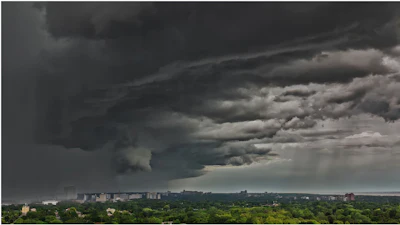
Canada experienced its third most expensive summer on record in 2026, with severe weather incidents causing 3.7 billion dollars in insured losses, highlighting the escalating impact of extreme weather on Canadian communities and the urgent need for government action on climate resilience.
- Summer 2026 marked Canada's third costliest summer for insured losses from severe weather, with four of the five most expensive summers occurring in the past six years.
- Major incidents included British Columbia wildfires (550 million), prairie storms (1.8 billion), Niagara flooding (360 million), Ontario and Quebec storms (439 million), and Manitoba and Saskatchewan storms (1.1 billion).
- Annual weather-related insured losses have increased by approximately 300 percent since the late 1990s-2000s, even after adjusting for inflation.
- Electric vehicles are 33 percent more expensive to repair than internal combustion engine vehicles in Canada, compounding insurance costs during severe weather events.
- The Insurance Bureau of Canada urges governments to invest in resilient infrastructure, build homes in safe zones, and provide clear risk information to protect communities.
According to the Insurance Bureau of Canada, the summer of 2026 has been the third most expensive summer in Canada for losses and claims related to severe weather incidents. IBC stated that four of the five costliest summers in all of Canadian history for insured losses due to weather have occurred within the past six years.
In a recent IBC release, Celyeste Power, President and CEO of the Insurance Bureau of Canada, said, “the summer’s extreme weather once again highlights the significant impact that severe weather impacts are having on Canadian communities.”
The five most significant weather incidents this year, were the British Columbia wildfires ($550 million), severe storms across the prairies ($1.8 billion), July and August flooding in the Niagara region ($360 million), early summer storms in Ontario and Quebec ($439 million) and June storms in Manitoba, Saskatchewan and Montreal ($1.1 billion).
These increases in severe weather can also damage cars and have the potential to lead to more collisions and more claims in repair shops when people are driving under riskier weather circumstances. The escalating severe weather incidents are occurring at an interesting time in history when the automotive industry focuses on development of electric vehicles and reducing carbon emissions in the near future. According to a 2024 report by mitchell, an insurance claims software company, electric vehicles are usually more expensive to repair. And in Canada EV models were 33 percent more expensive than internal combustion engine vehicles.
IBC states that overall annual losses in this area have increased by approximately 300 percent since the late 1990s-2000s, even after adjusting for inflation. IBC is encouraging governments across Canada to take action and outlined some actionable steps that could be taken here, such as committing to building new homes in safe zones, investing in resilient infrastructure to prevent things like flooding or providing clear, accessible information so people can make informed decisions about their risk.
Power concluded by saying, “the insurance industry will continue to be there for Canadians following these devastating events. However, we cannot solve this issue on our own. We look forward to working with governments across the country to take meaningful action to stop putting people in harm’s way.”