U.S. federal prosecutors have charged the founder and former CEO of First Brands Group, a Michigan auto parts manufacturer, with fraud offences linked to the company’s financing practices.
An indictment unsealed Jan. 29 in federal court in New York alleges Patrick James, founder and former CEO of First Brands, and his brother Edward James, a former senior executive, misled banks and lenders about the company’s financial position. The charges include conspiracy to commit wire fraud and bank fraud, as well as money laundering.
“As alleged in the indictment, Patrick James, together with his brother, Edward James, perpetrated a staggering fraud at First Brands Group,” said U.S. Attorney Jay Clayton. “The James brothers obtained billions for First Brands -- and millions for themselves -- by presenting their lenders with the impression of a successful, growing international business."
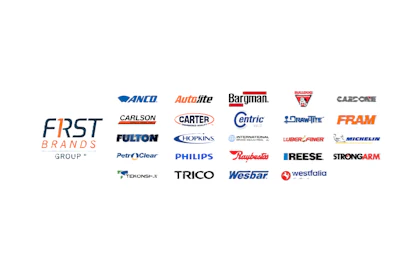
First Brands manufactures and supplies aftermarket automotive parts, including oil filters, spark plugs and braking components. Its brands include Fram, Autolite and Raybestos. The company expanded rapidly in recent years through debt-financed acquisitions.
“The criminal charges relate to alleged historical actions by certain former executives who are no longer with First Brands Group or involved in the management, governance, or day-to-day operations of the company," First Brands officials wrote in a public statement. "While these matters concern past conduct, their impact is being felt now by thousands of people."
Prosecutors allege that between about 2018 and 2025, the defendants used inflated or fabricated invoices, misleading financial statements and repeatedly pledged the same assets to secure billions of dollars in loans. Court filings cited by multiple media outlets state that some new loan proceeds were used to repay earlier lenders.
First Brands filed for Chapter 11 bankruptcy protection in September 2025. Court documents cited by Reuters and the Associated Press show the company reported more than US$9 billion in liabilities and about US$12 million in cash at the time of filing.
Prosecutors described the alleged conduct as “Ponzi-like” in court filings, according to multiple reports, referring to the use of new financing to cover existing obligations.
"This is a tragic situation that has disrupted the lives of employees, families, and communities who depend on this business," the statement continued. "We recognize the very real human toll of these events and the uncertainty many are facing."