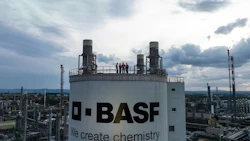
Toronto, Ontario -- This week's Tuesday Ticker takes a closer look at the performance of the major chemical conglomerates responsible for producing the lion's share of the globe's auto paints.
The paints and coatings sector is in a moment of transition. Major players are slimming down, private equity is moving in on high-margin niches, and investors are testing how much pricing power remains after two years of inflation and softening demand.
BASF trims outlook and sells coatings arm
BASF shares slipped 0.8 percent to €41.68 ($60) in the hours after the €7.7 billion ($11.2 billion) sale of its automotive coatings and surface treatment businesses to Carlyle and the Qatar Investment Authority.
The company will keep a forty percent stake in the new venture, which is expected to launch in 2026. BASF will receive about €5.8 billion ($8.5 billion) in pre-tax cash on closing.
The coatings division generated roughly €3.8 billion ($5.5 billion) in 2024 revenue. BASF also narrowed its 2025 earnings forecast to between €7.3 billion and €7.7 billion ($10.6 billion–$11.2 billion) in EBITDA before special items, citing slower European chemical demand.
Sherwin-Williams softens on lower forecast
On Friday,, Sherwin-Williams closed at US$332.85 ($456) -- about nine percent below its July high.
It isn't immediately clear why investors are losing interest in the stock. Second-quarter revenue rose 0.7 percent year-over-year to US$6.31 billion ($8.6 billion), though adjusted earnings per share fell to US$3.38 ($4.63) from US$3.70 ($5.07) a year earlier.
Management cut its full-year adjusted EPS guidance to between US$11.20 and US$11.50 ($15.35–$15.78), pointing to weak consumer demand and rising costs. Analysts see relative strength in its industrial and automotive refinish units, though margins remain under pressure.
PPG drifts lower ahead of Q3 results
On Friday, PPG Industries stock ended at US$98.96 ($135.50), down 0.6 percent. Its most recent quarter reported US$4.2 billion ($5.8 billion) in sales, down a percent year-on-year, with underlying organic growth of two percent. Adjusted earnings per share were US$2.22 ($3.03).
The performance coatings segment delivered record sales and margins, while Industrial Coatings slipped under cost pressure.
Investors are holding their breath awaiting the company's third-quarter results, which are set to be released on October 28.
Axalta and AkzoNobel hold steady
Axalta Coating Systems traded near US$27.30 ($37.40) on Friday -- essentially flat. While the company has seen a steady performance in recent months, it is down from earlier in the year. At one point in Q1, it reached a peak closing price of US$41.65, meaning the current share price is about 35 percent lower than that high.
The company’s Q2 results showed a two percent rise in revenue and modest margin gains in its refinish business, though slower OEM volumes weighed on other segments.
Amsterdam-based AkzoNobel shares hovered near €74.10 ($106.50) on Friday, supported by a steady dividend yield even amid weak demand in European architectural paint markets.
In Q2, the company reported adjusted EBITDA of €393 million ($545 million), a drop from expectations due to currency headwinds and volume declines. It also slashed its full-year EBITDA outlook to just over €1.48 billion.
That performance has pushed shares down, albeit only slightly. It is now trading roughly 5.8 percent below its 2025 high point.