A federal judge dismissed all claims in the AirPro vs. Opus IVS lawsuit over remote diagnostic technology, with Judge Linda Parker ruling that AirPro failed to present sufficient evidence and that Opus's licensing practices were legally permissible. AirPro plans to continue separate litigation in Florida regarding additional contract and trade secret claims.
- Full Dismissal: Judge Linda Parker dismissed all AirPro claims against Opus IVS and its affiliate Drew Technologies on September 29.
- Counterclaims Blocked: Opus's counterclaims were dismissed with prejudice, meaning they cannot be refiled.
- Root Cause: The dispute stemmed from a 2017 confidentiality agreement regarding the exchange of technical and business information for remote diagnostic repairs.
- Ongoing Litigation: AirPro continues separate litigation in Florida over additional contract and trade secret claims against Opus.
- Industry Impact: Remote diagnostics allow technicians to connect to vehicles remotely for electronic scans, fault code reading, and real-time repair guidance.
AIRPRO VS. OPUS—THE LEGAL BATTLE RESHAPING REMOTE DIAGNOSTICS

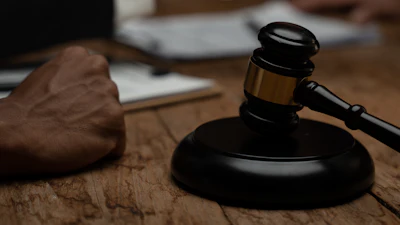
In a September 29 ruling, U.S. District Judge Linda Parker dismissed all of AirPro’s claims against Opus IVS and its affiliates. She also dismissed Opus’s counterclaims against AirPro with prejudice, meaning it can’t refile them. The decision effectively ends years of litigation over how the companies used and shared repair technology.
The case stemmed from a 2017 confidentiality agreement that allowed both firms to exchange technical and business information. AirPro alleged that Opus, through its affiliate Drew Technologies, violated that agreement by using its proprietary data to create competing remote diagnostic products.
Remote diagnostic repairs let technicians connect to vehicles remotely, running electronic scans, reading fault codes, and even guiding in-shop repairs in real time. It’s a fast-growing part of the collision and service industry, helping shops keep up with increasingly complex vehicles without sending cars to dealerships for calibration or software resets.
AirPro also claimed that Opus engaged in unfair competition by changing software licensing terms related to the Giotto platform. Opus denied all wrongdoing and accused AirPro of breaching agreements of its own.
Judge Parker found that AirPro did not present sufficient evidence to continue its claims and that Opus’s challenged actions were legally permissible under the license terms. She also ruled that the counterclaims lacked merit.
Opus called the outcome a “legal victory,” saying the decision reinforces its leadership in automotive diagnostics and validates its licensing practices. AirPro’s legal counsel, meanwhile, described the dismissal of Opus’s counterclaims as proof that those arguments “had absolutely no merit” and confirmed the company will continue separate litigation in Florida over additional contract and trade secret claims. With this ruling, one of the industry’s most closely watched legal battles has come to an end—at least for now.