
A new proposal by Frontenac Arch Safe Passage recommends installing wildlife crossings and fencing along a 40-kilometre stretch of Highway 401 between Gananoque and Brockville to reduce wildlife-vehicle collisions that cost Canadians nearly $800 million annually and kill over 20,000 animals yearly in the region.
- Wildlife-vehicle collisions cost Canadians nearly $800 million per year, with Ontario reporting over 14,000 crashes annually
- The Frontenac Arch alone sees more than 20,000 animals killed yearly on roads in the region
- Proposed solution includes four wildlife crossings: one overpass between Landons Bay and Landsdowne, two between Rockport and Waterton, and one underpass at Jones Creek
- Wildlife fencing will guide animals toward safe crossing points and prevent highway access along the 40-kilometre stretch
- Highway retrofit is expected to occur in 8 to 10 years, with potential long-term benefits for driver safety and habitat connectivity
Toronto, Ontario -- A new proposal from Frontenac Arch Safe Passage, aims to reduce wildlife-vehicle collisions along a busy stretch of Highway 401 – and could have ripple effects for the collision repair industry.
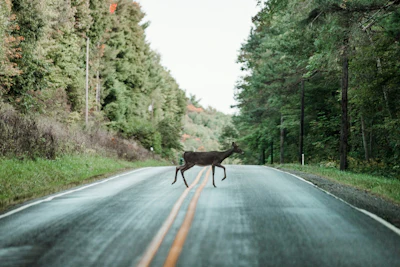
According to the group's research, wildlife-vehicle collisions cost Canadians nearly $800 million per year. In Ontario alone, more than 14,000 wildlife-related crashes are reported annually. In the Frontenac Arch alone, more than 20,000 animals are killed each year on roads.
To address the issue, the Safe Passage campaign recommends a network of wildlife crossings and fencing along a 40-kilometre-long section of Highway 401 between Gananoque and Brockville. The proposed solution includes one wildlife overpass between Landons Bay and Landsdowne, two overpasses between Rockport and Waterton and one underpass at Jones Creek. Fencing would be installed to guide animals towards safe crossing points and prevent access to the highway.
“One important thing to note is that the Hwy 401 retrofit between Kingston and Brockville is expected to take place in eight to 10 years,” said Jessica Lax, executive director at Algonquin to Adirondacks Collaborative. “Therefore, the effects on the collision repair industry will be quite delayed.”
“However, if all of the wildlife mitigations we recommend in our Right to Roam report are put in place during that highway retrofit, we believe wildlife vehicle collisions would significantly decrease,” Lax continued. “These proposed wildlife crossings, coupled with wildlife fencing, will increase driver safety and reconnect essential habitats. They will give diverse wildlife species the chance to thrive and move across this landscape.”
For collision centres operating in Eastern Ontario, the plan could mark a shift in seasonal workload. Animal-strike repairs – often involving extensive damage to the vehicles front ends, sensors and safety systems – are common in the region. Reducing these incidents could lower repair volumes, but may also support some broader industry trends surrounding safety.
The proposed crossings remain in early stages, but if implemented, they could have long-term benefits for animals and drivers, while reshaping the kinds of collisions that shops see coming through their doors.